Calm-Down Playlist: Using Music to Soothe Big Feelings
Picture this: your toddler is face-down on the kitchen floor because you cut their sandwich into squares instead of triangles. You've tried the calm voice. You've tried the bribery. You've tried the deep breath you read about in a parenting book at 2 a.m. What actually works, more often than you'd expect, is hitting play on the right song. A calm-down playlist isn't a magic fix, but it's one of the easiest tools you can build once and use forever.
Why Music Works on Big Emotions
Toddlers don't have the words or the brain wiring yet to talk themselves down from a meltdown. Their prefrontal cortex — the part responsible for logic and self-control — is basically still under construction. But their bodies respond instantly to rhythm, tempo, and tone. Slow, predictable music can lower heart rate and signal to a dysregulated nervous system that it's safe to relax.
This is the whole idea behind calming music for kids: it's not about distraction, it's about giving their body a cue. Think of it as an emotional off-ramp. The tantrum doesn't have to stop cold; it just needs somewhere to go.
The Science-y Bit, Simplified
Studies on music and emotional regulation show that slower tempos (around 60-80 beats per minute, close to a resting heart rate) can help sync breathing and calm the body. That's why a bouncy, upbeat song is great for dance parties but not so great for winding down after a toddler tantrum.
Building Your Family's Calm-Down Playlist
You don't need twenty songs. Five or six reliable tracks are plenty — enough variety to avoid burnout, but few enough that your child starts to recognize them as "the calm songs."
- Start slow and steady. Look for tempos that feel like a gentle heartbeat, not a marching band.
- Keep lyrics simple and soothing. Repetitive, gentle phrases ("breathe in, breathe out") help kids anchor their attention.
- Add one instrumental or nature-sound track. Sometimes words are too much stimulation during a big feeling — a soft piano or ocean-wave track can do wonders.
- Include something with humming or wordless melody. It gives your child something to hum along to without needing to "perform" or talk.
- Test it outside of meltdowns first. Play the playlist during calm moments like bath time or bedtime so it becomes familiar before it's needed as a rescue tool.
Where Mindfulness Music Fits In
Mindfulness music for kids doesn't have to mean chanting monks or spa vibes. It just means music designed to slow things down — a steady beat, gentle instruments, and lyrics that guide attention to the breath or body. Songs about clouds, waves, or floating are popular for a reason: they give little minds something soft to hold onto.
Using the Playlist in the Moment
Timing matters as much as song choice. A calm-down playlist works best when it's introduced early in the meltdown, not as a last resort after ten minutes of screaming.
Step-by-Step in the Heat of a Tantrum
- Get low and get close. Sit near your child (even if they're pushing you away) before pressing play.
- Say less, play more. Instead of narrating the tantrum ("I see you're upset"), let the music do some of the talking.
- Match your energy to the song. If you're tense and rushing, the calm music won't land. Slow your own breathing first.
- Let them lead the pace. Some kids calm down in one song; others need three. Resist the urge to rush the process.
This is less about "fixing" the tantrum and more about co-regulating — showing your child's nervous system what calm looks and sounds like, using yours as the model.
Parenting Strategies That Pair Well With Music
A calm-down playlist works even better when it's part of a bigger toolkit. Music isn't a replacement for connection, but it's a fantastic bridge to it.
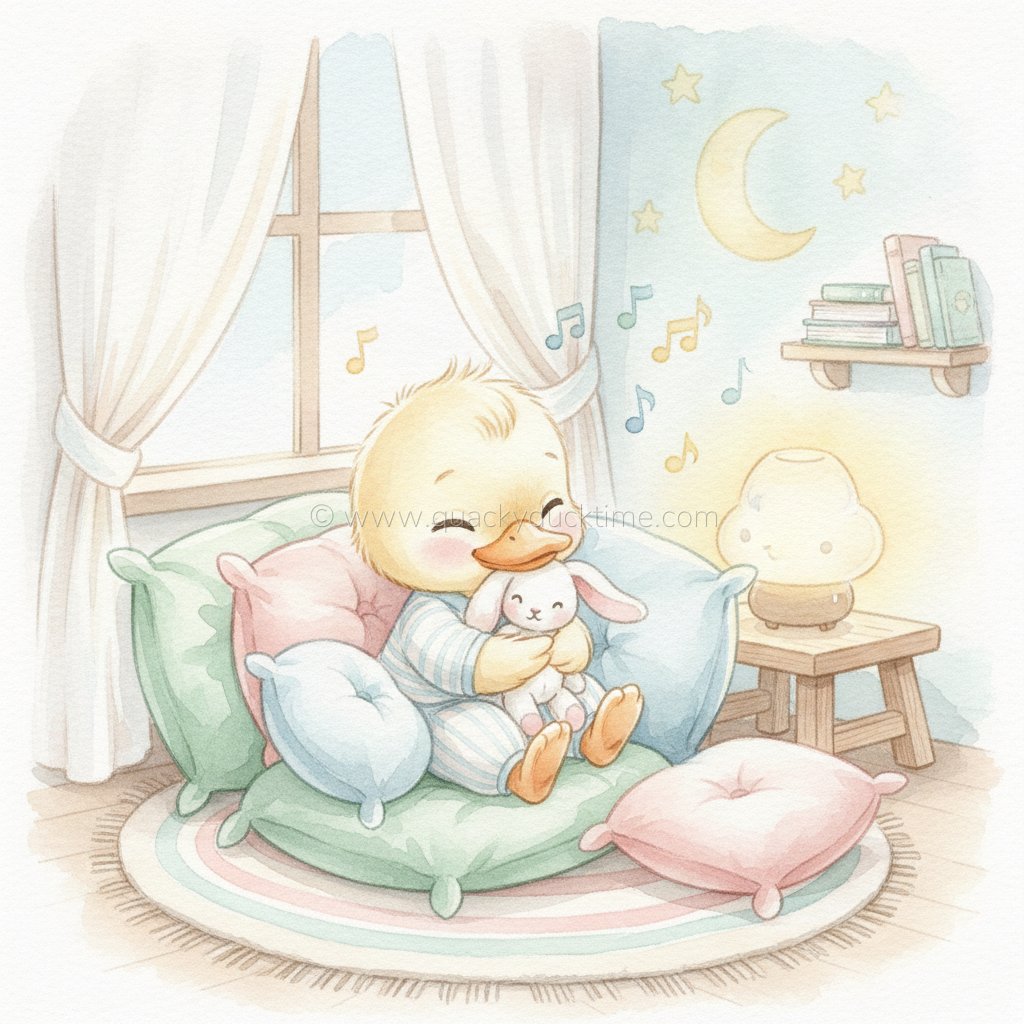
- Create a "calm corner." A cozy spot with pillows, a stuffed animal, and a speaker or tablet for the playlist gives kids a physical place to associate with settling down.
- Name the feeling, gently. Once the music starts working, try simple labels: "That felt like a big mad." Naming emotions builds long-term emotional regulation skills.
- Practice during calm times. Role-play "big feelings" with stuffed animals and use the playlist as background — this builds familiarity before real meltdowns hit.
- Keep expectations realistic. Some tantrums are hunger, tiredness, or overstimulation in disguise. Music helps most when basic needs are already met.
Songs Kids Actually Want to Hear
Calm-down music only works if your child likes it enough to let their guard down. Overly babyish or saccharine songs can backfire with older toddlers and preschoolers who want to feel a little more grown-up. Look for calming music for kids that still has personality — gentle melodies, a touch of playfulness, and characters or themes your child already loves.
The goal isn't silence or perfect stillness. It's giving your child's body and brain a rhythm to follow back to steady ground.
Let the Music Help You Both
Building a calm-down playlist takes ten minutes and pays off for years. Once your child learns that certain songs mean "we're about to feel better," you've given them a lifelong tool for handling big emotions — one they can carry into school, friendships, and eventually their own grown-up hard days.
If you're looking for a place to start, Quacky Duck Time has a growing library of gentle, kid-loved songs perfect for calm corners, wind-downs, and everything in between. Come take a listen — your next meltdown rescue might be one song away.