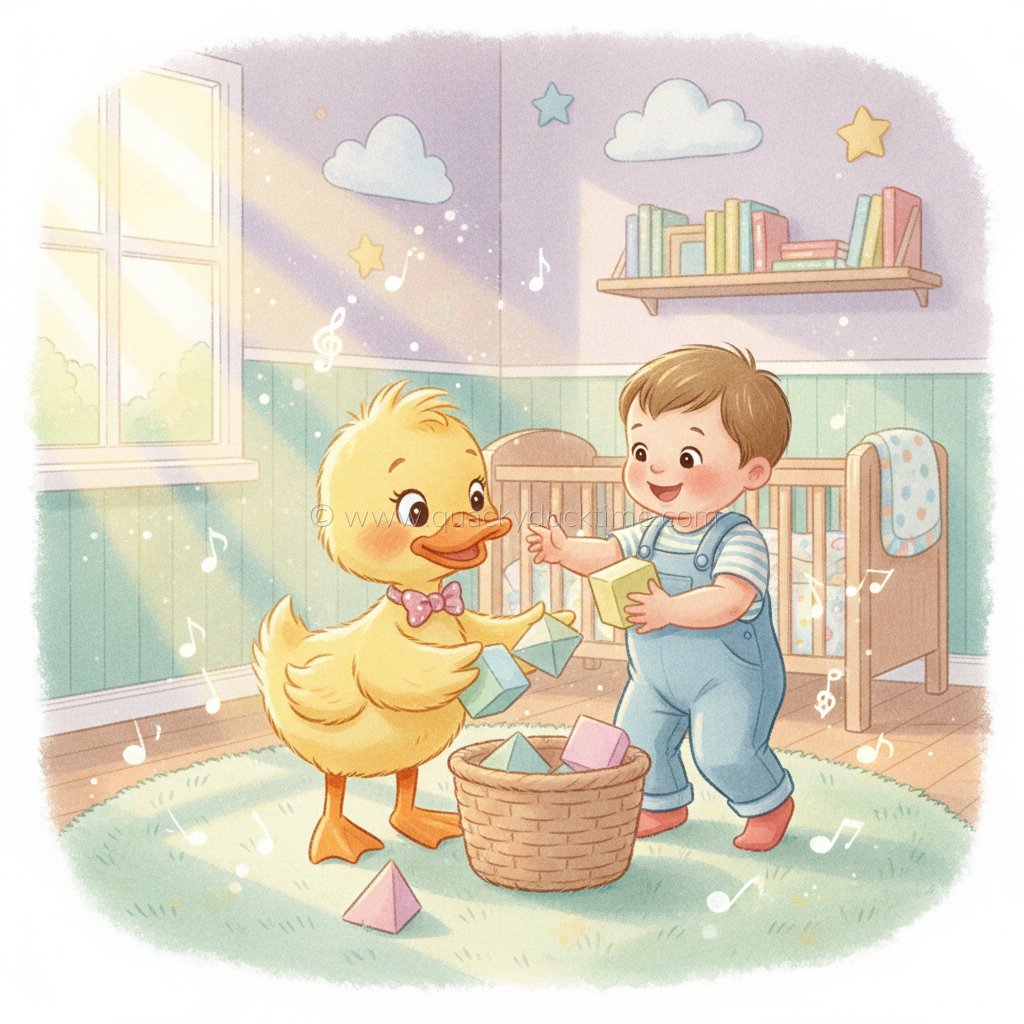
Freeze Dance and Beyond: 10 Listening Games for Kids
Your living room is about to become the best classroom you never planned. Movement games are sneaky little teachers — while kids are busy jumping, spinning, and collapsing into giggly heaps, their brains are quietly practicing something huge: listening. Not just hearing, but really listening — catching a cue, processing it, and reacting fast. That's the foundation of auditory processing, and it's a skill that pays off in the classroom, at the dinner table, and everywhere in between. Let's warm up with the classic, then stack on nine more games that keep the fun (and the learning) going.
Why Movement Games Build Real Listening Skills
Kids don't learn to listen by being told to "pay attention." They learn by practicing the skill in bite-sized, low-pressure moments — and movement games are basically listening practice in disguise. Every time your child waits for a signal, catches a change in music, or reacts to a spoken cue mid-motion, they're strengthening the same neural pathways used for following instructions and processing sound. Add music, and you've layered in rhythm, pitch, and tempo recognition too. It's active listening children actually enjoy, which is the whole point.
Freeze Dance Games: The Gold Standard
Classic Freeze Dance
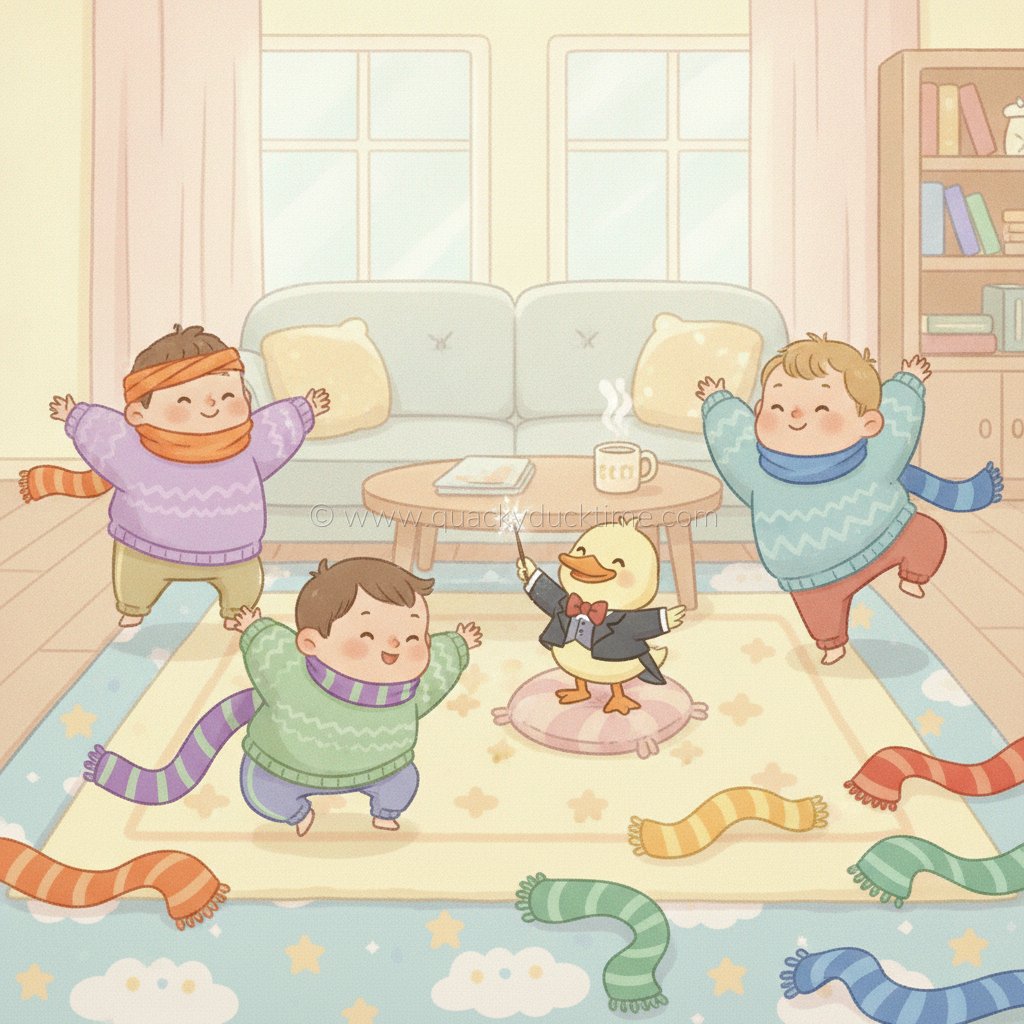
Play music, everyone dances, music stops, everyone freezes like a statue. Simple, but powerful — kids must track the sound constantly, ready to react the instant it changes. This is the OG of listening skills activities for a reason.
Freeze & Pose
Same setup, but when the music stops, call out a pose: "freeze like a flamingo!" or "freeze like a sleepy cat!" Now kids are listening for two cues stacked together — the stop and the instruction — which builds sequencing skills.
Slow-Mo Freeze
Instead of stopping instantly, fade the music out slowly. Kids have to gradually slow their movements to match, training their ears to notice subtle changes instead of just sudden ones.
Movement Games That Sharpen Auditory Processing
Color Command Dance
Scatter colored scarves or paper shapes on the floor. Call out a color while music plays, and kids must dance their way to touch that color before the beat resets. It's a fun blend of movement games for kids and quick auditory decision-making.
High and Low Sounds
Play a drum, xylophone, or even your own voice — high pitch means jump up, low pitch means crouch down. This directly trains pitch discrimination, a key piece of auditory processing play that often gets skipped in typical playtime.
Musical Directions
Instead of stopping music entirely, call out simple directions over the song: "spin left," "hop backward," "tiptoe forward." Kids have to filter your voice from the music — a fantastic real-world listening skill for noisy classrooms and busy family dinners.
Games That Add a Memory Twist
Simon Says, Dance Edition
Combine the classic game with movement: "Simon says wiggle your arms," then throw in a trick command without "Simon says." This teaches kids to listen for a specific keyword before acting, which is huge for following multi-step instructions later at school.
Copy My Beat
Clap or stomp a short rhythm pattern and have your child repeat it back with their whole body — hop-hop-freeze, for example. Increase the pattern length as they master it. This builds auditory memory, the skill behind remembering instructions without needing them repeated five times.
Sound Scavenger Hunt
Hide a few noisy objects (a bell, a shaker, a squeaky toy) around a room. Kids move toward the sound with their eyes closed or blindfolded lightly, using only their ears to navigate. It's playful, a little silly, and surprisingly effective for sharpening sound localization.
Animal Sound Freeze
Play music and call out an animal sound cue: a "moo" means everyone gallops like a cow, a "tweet" means everyone flaps like a bird. When the music stops, they freeze in that animal's pose. This layers listening for meaning on top of listening for stopping — a nice challenge for older toddlers and preschoolers.
Making It a Habit, Not Just an Activity
The real magic happens with repetition. You don't need a special occasion or a Pinterest-worthy setup — five minutes before bath time or right after homework is plenty. Rotate through a couple of these games each week, mix in old favorites, and watch how quickly your child starts anticipating cues, following multi-step directions, and tuning into sound changes without you even prompting them. These aren't just games; they're tiny daily workouts for a skill that shows up everywhere from circle time to conversations at the family table.
Ready to put these games to music that's actually fun to listen to? Explore the songs over at Quacky Duck Time — they're built with rhythm, pauses, and playful cues that make freeze dance night (and every listening game on this list) even more delightful.