How Learning an Instrument Boosts Child Brain Development
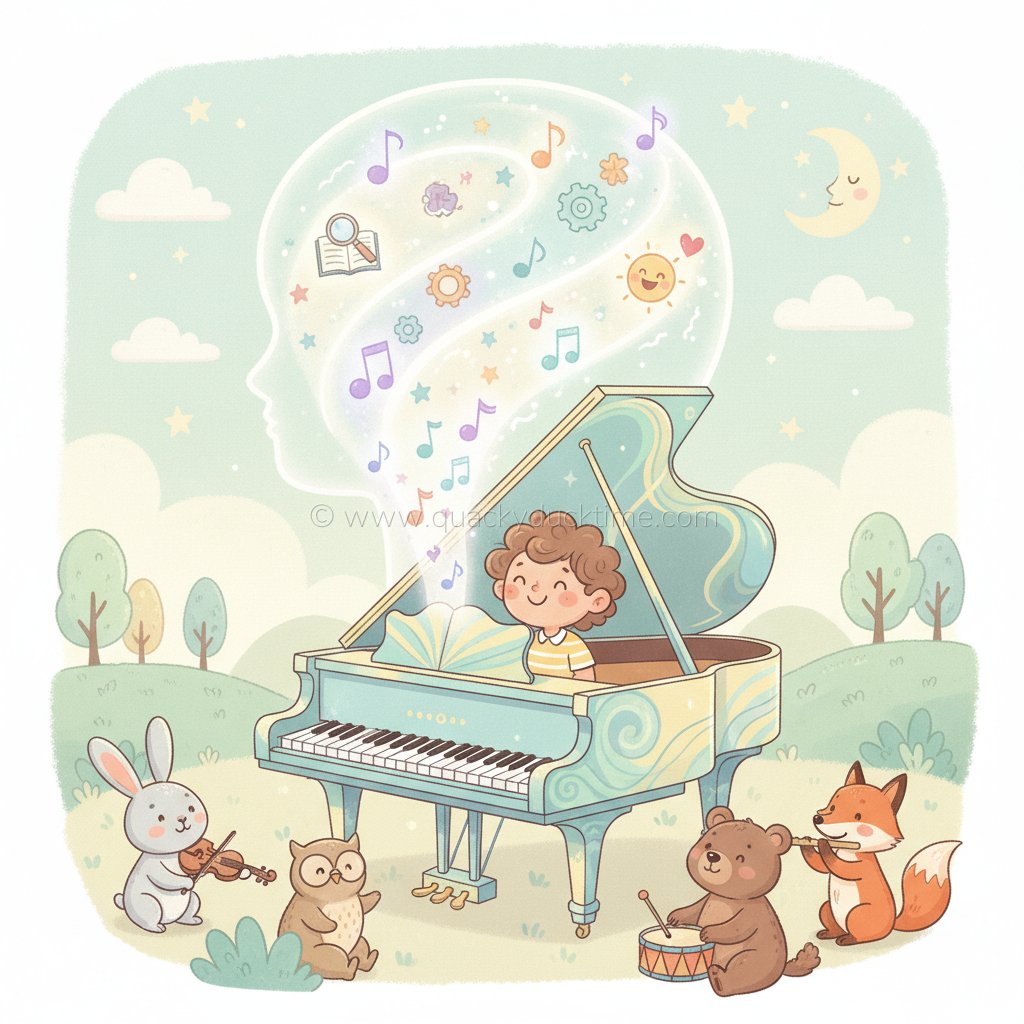
Ever notice how your toddler stops mid-meltdown the second a favorite song comes on? That's not a coincidence — music has a direct line to the brain, and when kids actually play an instrument instead of just listening, something remarkable happens. Neurons fire up in patterns that touch language, math, emotional regulation, and memory, all at once. If you've been on the fence about starting piano lessons or handing your little one a ukulele, here's the science-backed (and delightfully fun) case for saying yes.
What Happens Inside a Child's Brain When They Play Music
Playing an instrument is basically a full-body brain workout. Your child has to read a note, translate it into a finger movement, listen to the sound they make, and adjust in real time — all in a fraction of a second. Researchers using brain scans have found that musically trained kids show more activity connecting the left and right hemispheres through the corpus callosum, the bridge that lets logical and creative thinking talk to each other.
It's Different From Just Listening
Background music in the car is lovely, but it doesn't build new neural pathways the way active playing does. The magic ingredient is the doing — pressing keys, strumming strings, tapping rhythms — because that active engagement is what triggers lasting cognitive skills through music.
Cognitive Skills Music Builds Beyond the Keyboard
You might expect an instrument to sharpen musical ear, but the ripple effects go much further:
- Memory: Memorizing songs strengthens both working memory and long-term recall, skills kids also lean on for spelling tests and multiplication tables.
- Math and pattern recognition: Rhythm is basically fractions in disguise — quarter notes, half notes, and rests teach proportional thinking before kids even hit a math worksheet.
- Language development: Music and language share brain circuitry, so kids who play instruments often show stronger vocabulary and reading comprehension.
- Focus and self-control: Sitting through a short practice session, even five minutes, builds the same attention muscles needed for homework and classroom listening.
Why Starting Young Makes Such a Difference
A young child's brain is remarkably plastic, meaning it forms new connections faster and more efficiently than an adult's. This is why learning instruments young has such an outsized effect — the skills get built into the brain's architecture rather than bolted on later. Kids who begin musical training before age seven tend to show more pronounced structural brain differences in areas tied to motor skills and auditory processing, according to multiple developmental studies.
That doesn't mean older kids miss the boat — the brain stays adaptable for life — but early exposure gives music a front-row seat in shaping how your child's brain organizes itself.
Little Fingers, Big Progress
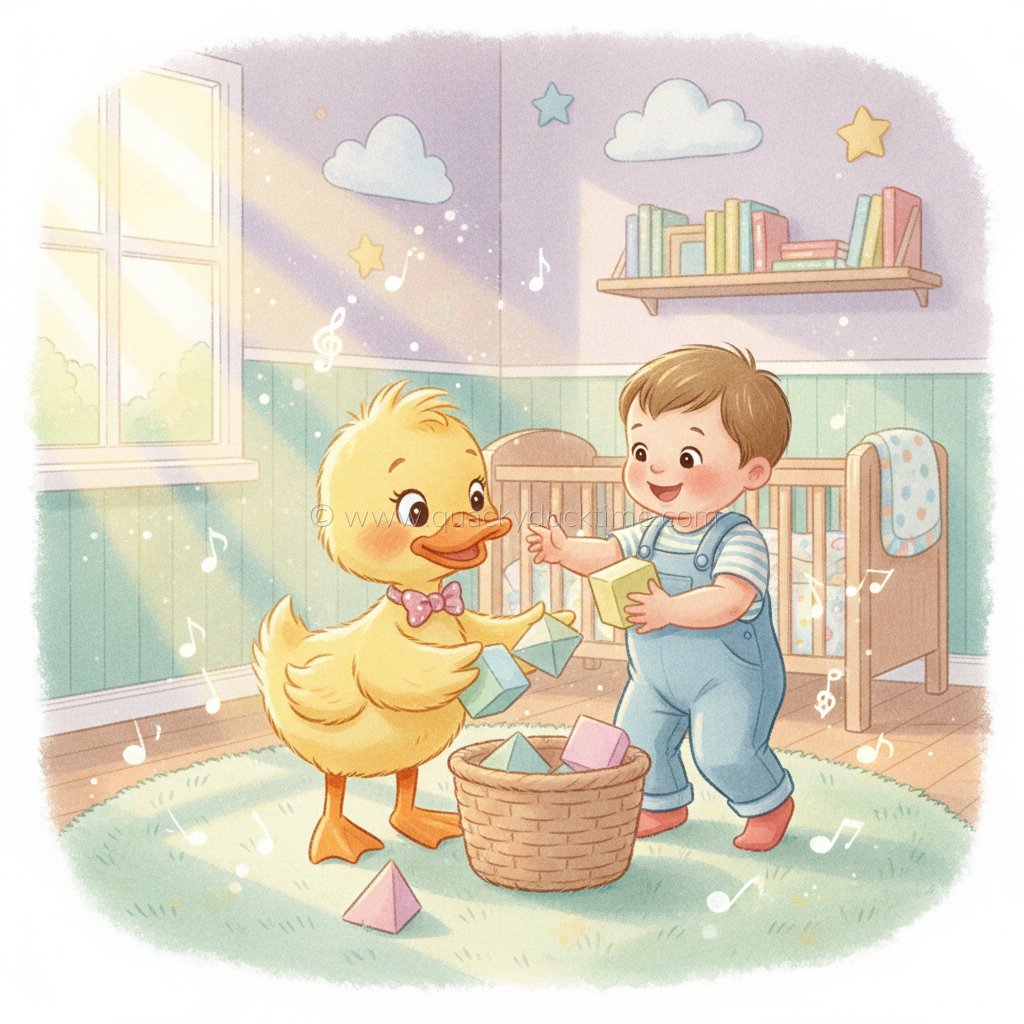
You don't need a mini Mozart. Even simple activities, like tapping along to a beat or picking out a nursery rhyme by ear, count as meaningful musical training for a preschooler's developing brain.
Kids Piano Lessons: A Gentle, Powerful Starting Point
Piano is often the go-to first instrument, and for good reason. Unlike a violin or trumpet, a keyboard lays notes out visually in a straight line, making it easier for young learners to see the relationship between notes and sounds. Piano also requires both hands to do different things at once, which is fantastic for building coordination and that all-important brain hemisphere communication.
Piano lessons don't have to mean rigid scales and a stern metronome. For toddlers and preschoolers, the best entry point is playful: clapping rhythms, singing along, and exploring keys freely before formal technique ever enters the picture. The goal at this age is joy first, discipline later.
Making Music Part of Everyday Family Life
You don't need a grand piano in the living room to raise a musically engaged kid. Try these low-pressure ways to weave music education benefits into daily routines:
- Keep a shaker, drum, or toy xylophone within easy reach for spontaneous jam sessions.
- Sing silly made-up songs during chores — repetition and rhyme boost language skills.
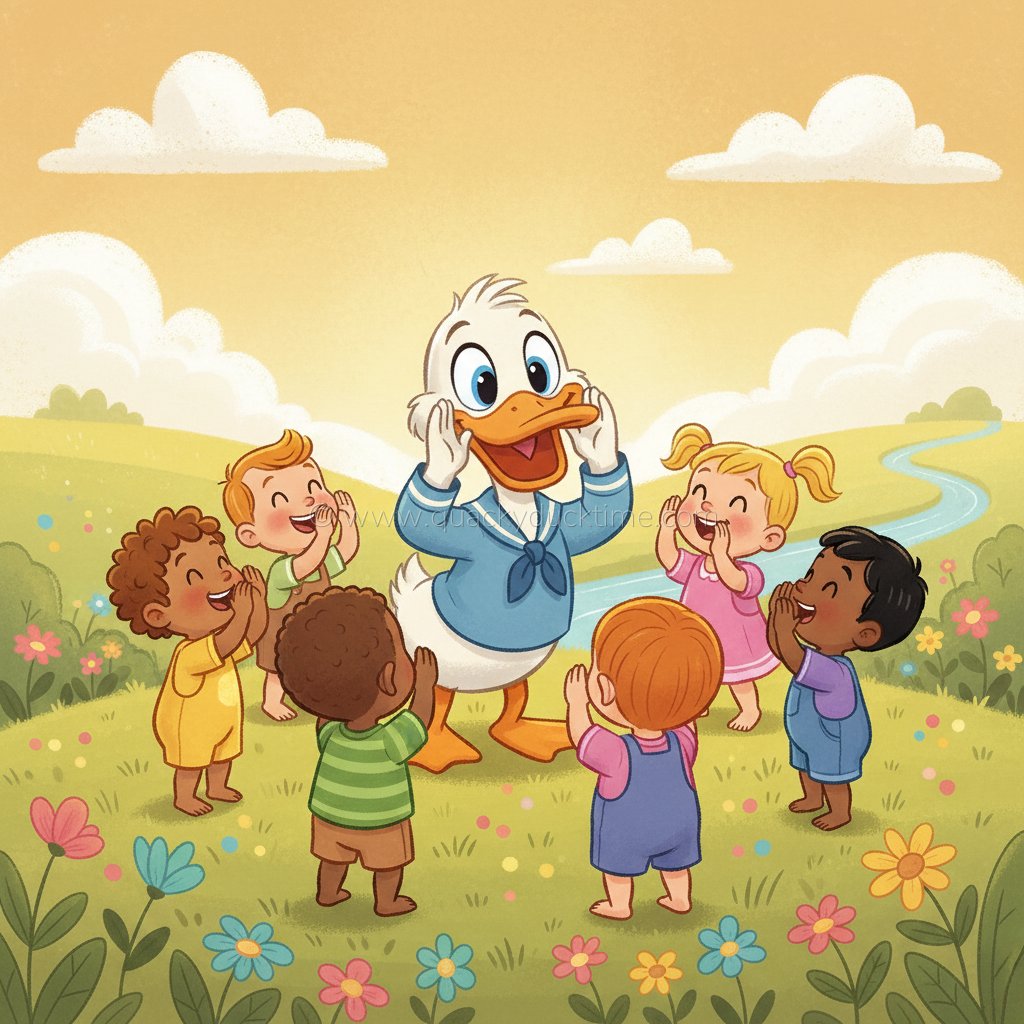
- Let your child "conduct" music with their hands to build a feel for rhythm and tempo.
- Play a mix of styles so their ears get used to different patterns, from lullabies to upbeat sing-alongs.
Consistency matters more than perfection. A joyful five minutes a day beats a dreaded thirty-minute weekly lesson every time, especially for brains still learning to love music in the first place.
Let the Music Begin
Whether your child eventually picks up a piano, a guitar, or just a wooden spoon and a pot, every bit of musical play is doing quiet, wonderful work behind the scenes in their growing brain. The best part? It doesn't have to feel like homework — it can feel like the best part of their day.
Looking for the perfect soundtrack to get those little fingers tapping and that brain buzzing? Explore Quacky Duck Time's joyful songs and playlists, made to turn everyday moments into musical ones your child will love.