How Music Games Boost Toddler Math Skills Before Kindergarten
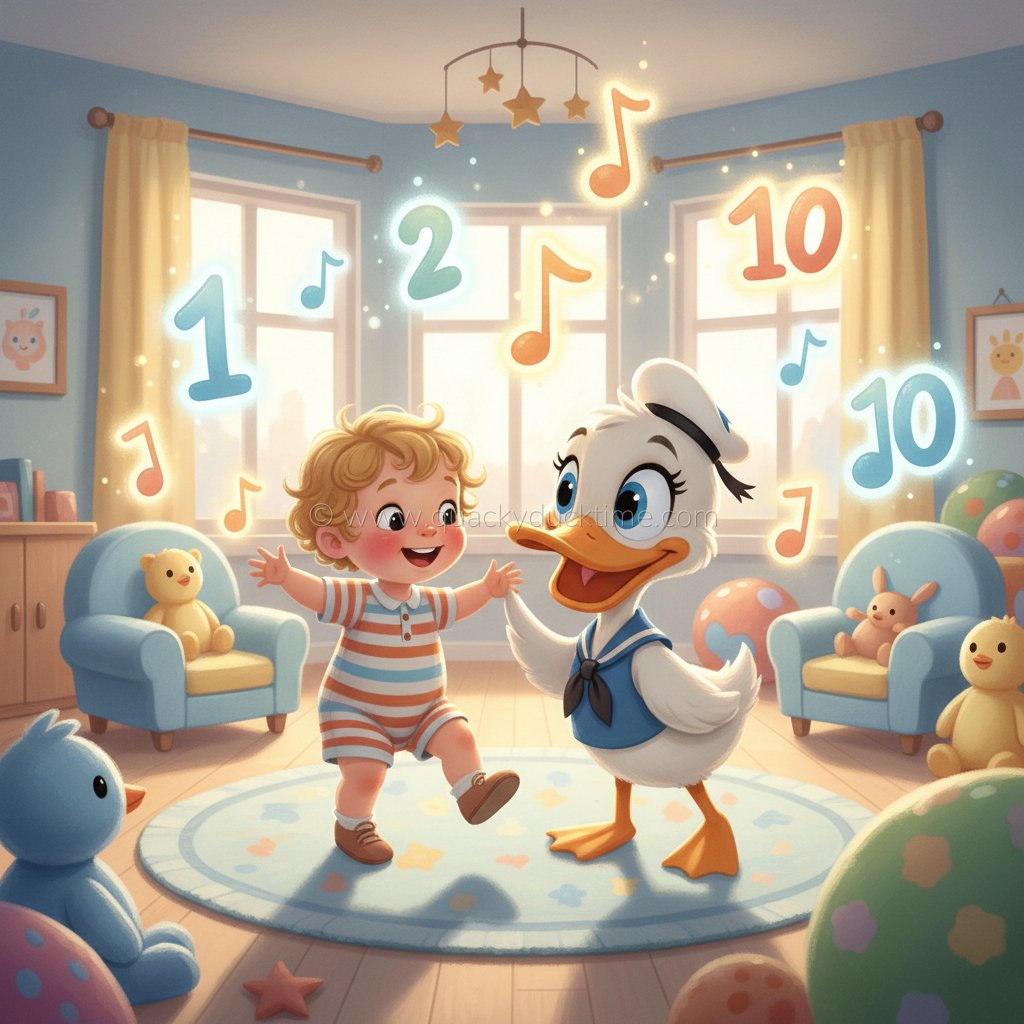
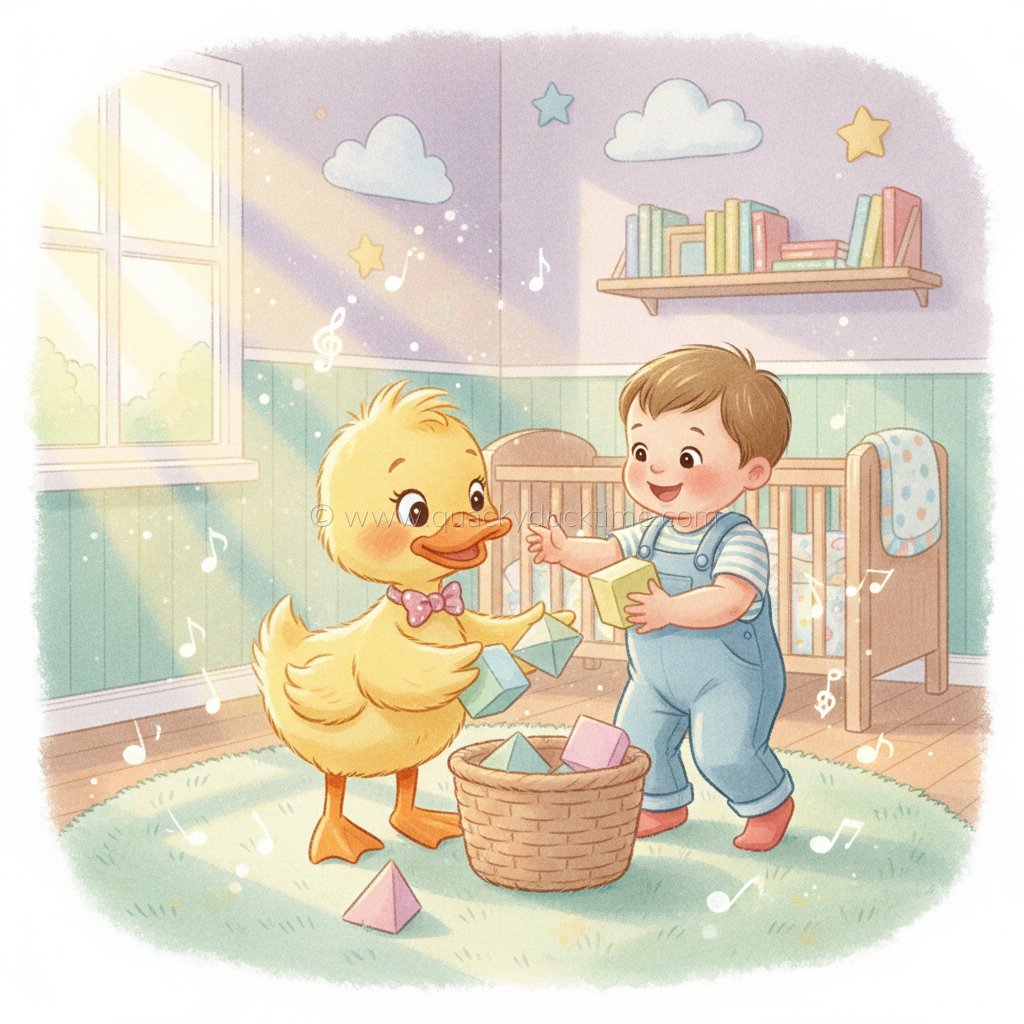
If you've ever caught your toddler bouncing to a beat while accidentally counting out loud, you've witnessed something wonderful: music and math working together in a tiny brain. Long before workbooks and flashcards, songs are quietly teaching your child to count, compare, and predict — the exact skills kindergarten teachers look for on day one.
Here's the good news for tired parents: you don't need flashcards or drills. You just need a speaker, a few minutes, and a willingness to be a little silly.
Why Music and Math Share the Same Brain Space
Math and music aren't as different as they look on paper. Both are built on patterns, ratios, and sequences. A steady beat is really a repeating number pattern. A verse-chorus-verse structure is a sequence, just like counting 1-2-3-1-2-3. Researchers who study early math development have found that toddlers who regularly engage with rhythm and melody show stronger number sense, spatial reasoning, and problem-solving skills later on.
Why? Because when your toddler claps along to a song, their brain is doing quiet math homework: tracking beats, noticing when the pattern changes, and anticipating what comes next. That's prediction — one of the earliest and most important math skills.
Musical Patterns: The Secret Math Lesson Hiding in Songs
Every nursery rhyme is secretly a math lesson in disguise. Think about "Five Little Ducks" or "This Old Man" — they're built on counting sequences, repetition, and predictable structure. When toddlers learn musical patterns, they're practicing:
- Sequencing: knowing what note or word comes next
- Pattern recognition: noticing repeated rhythms or melodies
- One-to-one correspondence: matching one clap to one beat, which is the foundation of counting
Why Repetition Isn't Boring — It's Brilliant
Toddlers love hearing the same song fifty times in a row, and that's actually the point. Repetition helps their brains lock in patterns, which makes it easier to spot patterns elsewhere — including in numbers, shapes, and sorting games later on.
Toddler Learning Games That Sneak in Counting, Sorting, and Sequencing
You don't need fancy apps to turn music time into math time. Try weaving these toddler learning games into your day:
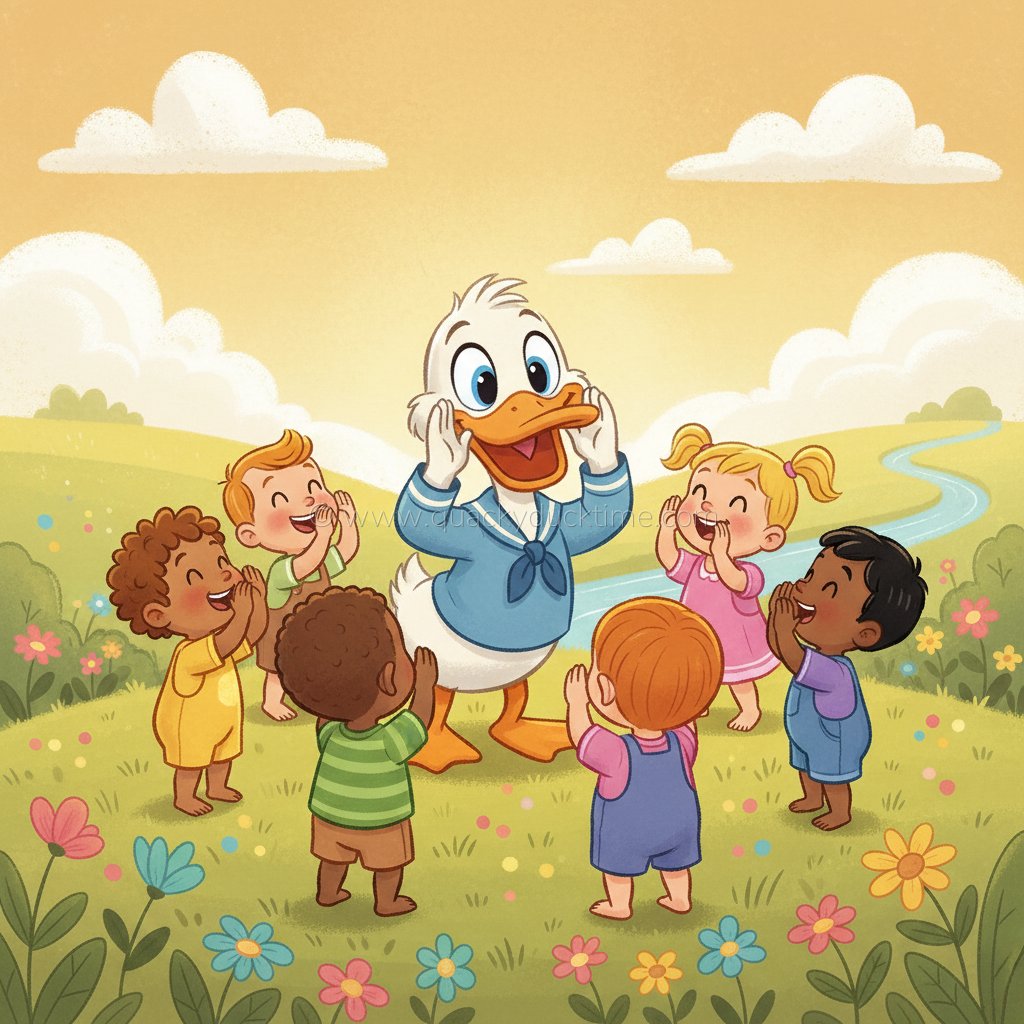
- Clap-and-count songs: Clap the number of syllables in your toddler's name, then count together.
- Freeze dance with numbers: Call out a number before the music stops, and everyone freezes in that many poses (one arm up, two feet apart, etc.).
- Instrument sorting: Group shakers, drums, and bells by size, sound, or color while a song plays in the background.
- Beat-matching: Tap a simple rhythm and have your toddler copy it back — an early lesson in sequencing and memory.
These games feel like play, but they're building the same mental muscles your child will use for addition, patterns, and problem-solving in kindergarten.
Building Preschool Math Readiness Through Rhythm
Preschool math readiness isn't about memorizing numbers — it's about understanding relationships: more/less, before/after, same/different. Rhythm is a fantastic teacher here because it's physical and repeatable.
Tempo Teaches Comparison
When you play a song fast, then slow, you're teaching "faster" and "slower" — early comparison language that shows up in kindergarten math lessons about size and quantity.
Song Structure Teaches Sequencing
Verse, chorus, verse, chorus, bridge — following a song's structure helps toddlers practice "what comes next," a skill that transfers directly to number order and simple patterns like AB, AB, AB.
Simple Music-Math Games to Try This Week
Ready to put this into practice without adding another thing to your to-do list? Try one of these low-effort, high-impact ideas:
- Count the beats in a favorite chorus using your fingers.
- Make a shaker with dried beans and count how many scoops go inside.
- Play "more or less" by comparing two rhythms — which one had more claps?
- Sing counting songs during transitions, like walking to the car or washing hands.
The beauty of these toddler learning games is that they require zero prep and fit into moments you're already spending together.
A Playful Head Start on Kindergarten Math
You don't need to turn playtime into a classroom. Music already does the heavy lifting — teaching patterns, sequencing, and number sense while your toddler is busy having fun. The more songs, claps, and dance breaks you share now, the more confident and curious your child will feel when real math lessons begin.
Looking for songs that make this easy? Explore Quacky Duck Time's playful, sing-along tunes designed to get little feet tapping and little minds counting — one joyful beat at a time.