How Music Helps Toddlers Develop Language Skills Faster
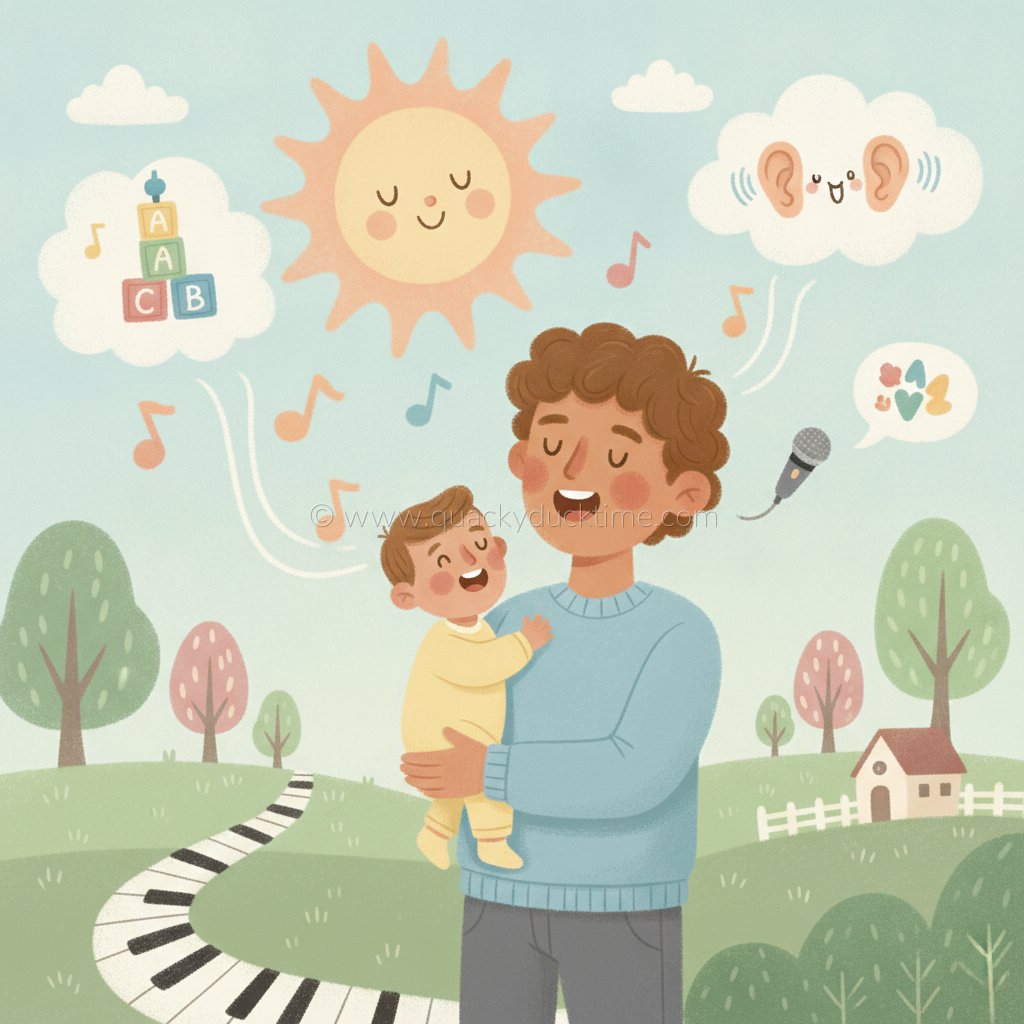
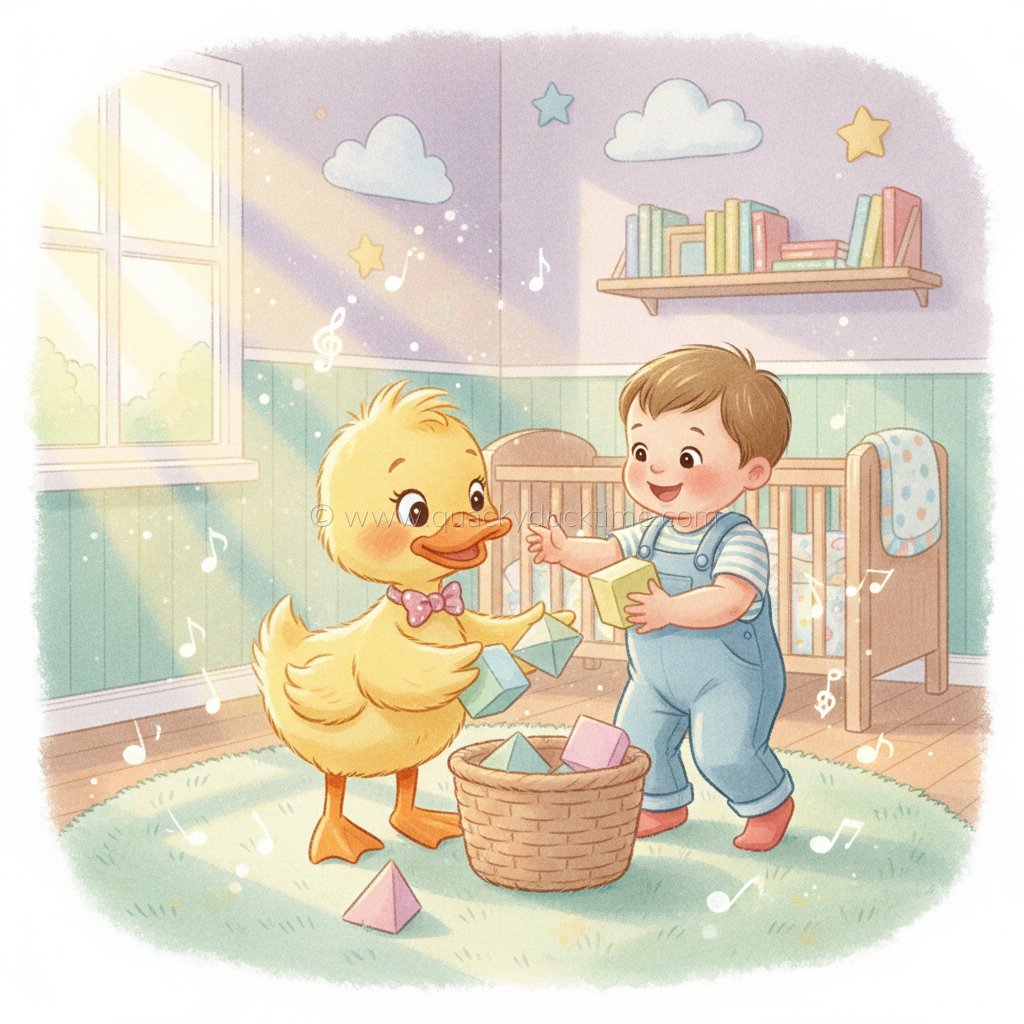
If your toddler can belt out every word of their favorite song but still calls every animal a 'doggie,' you're witnessing something amazing. Music isn't just background noise during snack time — it's quietly rewiring your toddler's brain for language. Parents who sing, hum, and dance with their little ones aren't just having fun (though that's a huge bonus); they're building vocabulary, rhythm, and speech confidence in ways that flashcards simply can't match.
Let's dig into why toddler music is such a powerful (and joyful) shortcut to stronger communication skills.
Why Music and Language Development Go Hand in Hand
Language and music share the same neural real estate. Both rely on patterns: rhythm, pitch, repetition, and pauses. When toddlers hear a nursery rhyme, their brains are practicing the exact same skills they'll need to string words into sentences — timing, sequencing, and listening for meaning hidden in sound.
This is why babies babble in a sing-song way long before they say real words. They're rehearsing the music of language before they master the vocabulary. Toddler music simply gives that rehearsal a fun, structured stage.
The Science: What Happens in a Toddler's Brain When They Sing
Early childhood learning research consistently shows that music activates multiple brain regions at once — areas responsible for hearing, movement, memory, and emotion. When these regions fire together repeatedly, they form stronger neural connections. That's music and brain development in action: it's like a full-body workout, except the muscle being trained is your toddler's ability to process and produce language.
Repetition Builds Real Memory
Ever notice how your toddler can recite an entire song before they can hold a normal conversation? That's because melody and rhyme make words 'sticky.' Repetition set to a beat helps toddlers store new vocabulary in long-term memory far faster than plain speech alone.
Rhythm Trains the Ear for Speech Sounds
Songs slow down and exaggerate syllables ('The wheels on the bus go round and round'), which helps toddlers hear where one word ends and another begins — a skill called phonological awareness, and a major building block for future reading.
5 Ways Songs Build Speech Skills Faster
Here's exactly how toddler music speeds up speech development, step by step:
- Vocabulary boosts: Songs introduce new words in a low-pressure, playful way — no quizzing required.
- Sentence structure practice: Verses model how words fit together, giving toddlers a template for their own sentences.
- Emotional connection: Music tied to feelings (excitement, comfort, silliness) helps toddlers attach meaning to words instead of just memorizing sounds.
- Turn-taking and call-and-response: Songs with pauses ('Old MacDonald had a farm, E-I-E-I—') teach conversational timing.
- Motor-speech coordination: Clapping, tapping, or dancing while singing strengthens the mouth and breath control needed for clear speech.
Simple Ways to Use Music at Home
You don't need a music degree or a house full of instruments — just a few minutes of intentional singing each day.
Make It Part of the Routine
Sing a specific song for transitions like cleanup time, bath time, or car rides. Predictable songs help toddlers anticipate what's next, which reinforces both language and routine.
Leave Space for Them to Fill In
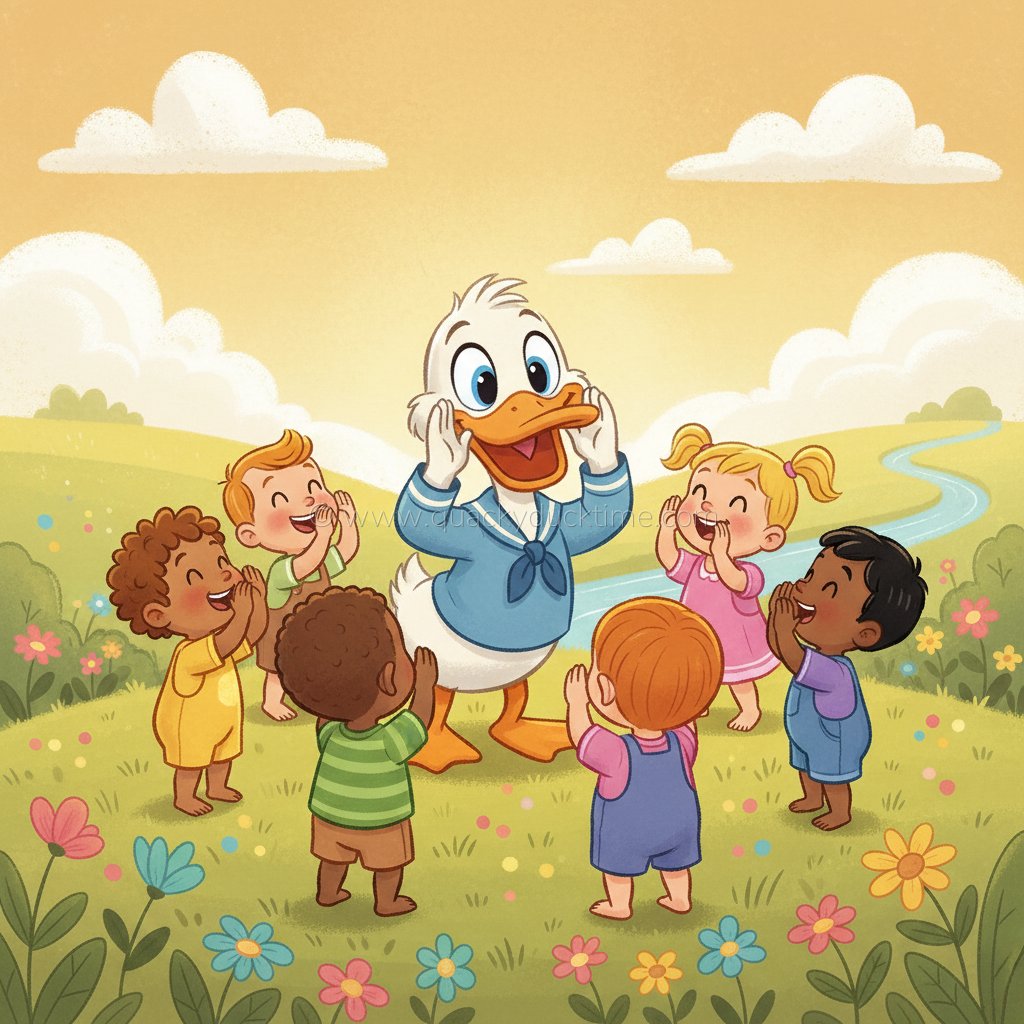
Pause before the last word of a familiar line and let your toddler shout it out. This tiny trick turns passive listening into active speech practice.
Choose Songs With Repetition and Rhyme
Look for tracks with predictable choruses and playful rhymes — they're easier for developing brains to latch onto and repeat back.
Add Movement
Pairing words with gestures (touching your nose for 'nose,' stomping for 'stomp') helps toddlers connect meaning to sound even faster.
A Little Music Goes a Long Way
You don't have to choose between playtime and learning time — with music, they're the same thing. Every sing-along is quietly teaching your toddler how language works: the rhythm of sentences, the shape of new words, and the confidence to try them out loud.
Ready to make singing time part of your daily routine? Explore Quacky Duck Time's collection of joyful, toddler-friendly songs designed to make language learning feel like play — because the best lessons are the ones that come with a good beat.