Rhythm and Reading: Clapping Games for Early Literacy
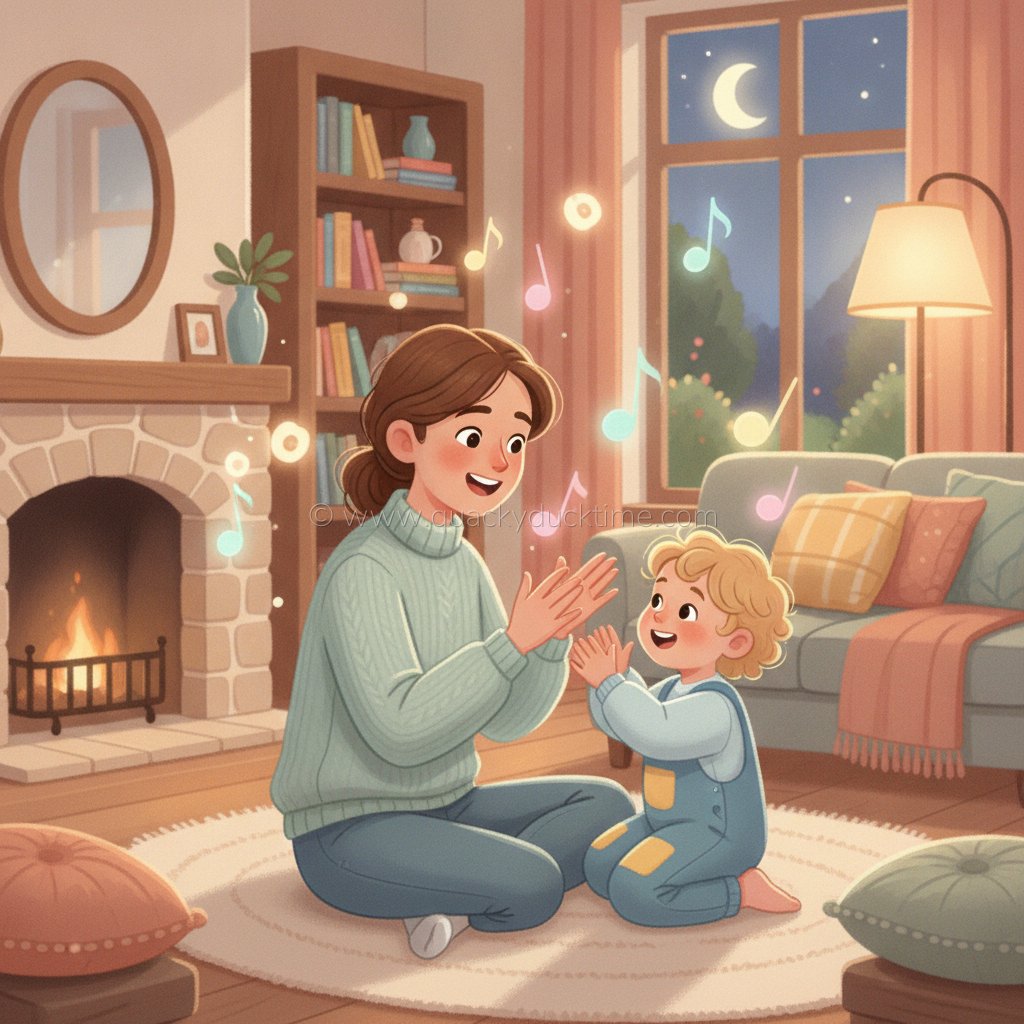
Before your child ever sounds out a word on a page, their ear is doing the real heavy lifting. Reading starts with hearing — noticing that words are made of chunks, beats, and sounds you can play with. And one of the simplest tools for training that ear is already in your child's hands: clapping. Clapping games literacy activities turn hallway boredom and car ride fidgeting into serious (but seriously fun) pre-reading practice.
Why Rhythm and Reading Go Hand in Hand
It sounds surprising, but researchers who study early literacy keep landing on the same idea: kids who are good at keeping a beat tend to be stronger readers later on. That's because reading and rhythm rely on the same mental skill — breaking a stream of sound into smaller, predictable pieces. A sentence is a string of words. A word is a string of syllables. A syllable is a string of sounds. Music works the exact same way, just with beats instead of letters.
When your toddler bounces to a nursery rhyme or claps along to a silly song, they're quietly rehearsing the skill of segmenting sound — which is precisely what they'll need when they start blending letters into words.
What Is Phonological Awareness, Really?
Phonological awareness music activities get a lot of buzz in preschool circles, but the term just means "the ability to notice and play with the sounds in spoken language." It's not about knowing letters yet — it's about ears, not eyes. A child with strong phonological awareness can tell that "cat" and "hat" rhyme, that "pancake" has two chunks, and that "sun" starts with a hissy /s/ sound.
Why It Matters More Than Flashcards
Letter recognition is important, but phonological awareness is the foundation underneath it. Kids who can hear and manipulate sounds pick up phonics faster because they already understand what letters are representing. Clapping games build that foundation playfully, long before formal reading instruction begins — which is exactly why preschool teachers lean on them so heavily.
Syllable Clapping: The Simplest Pre-Reading Game You're Not Playing Enough
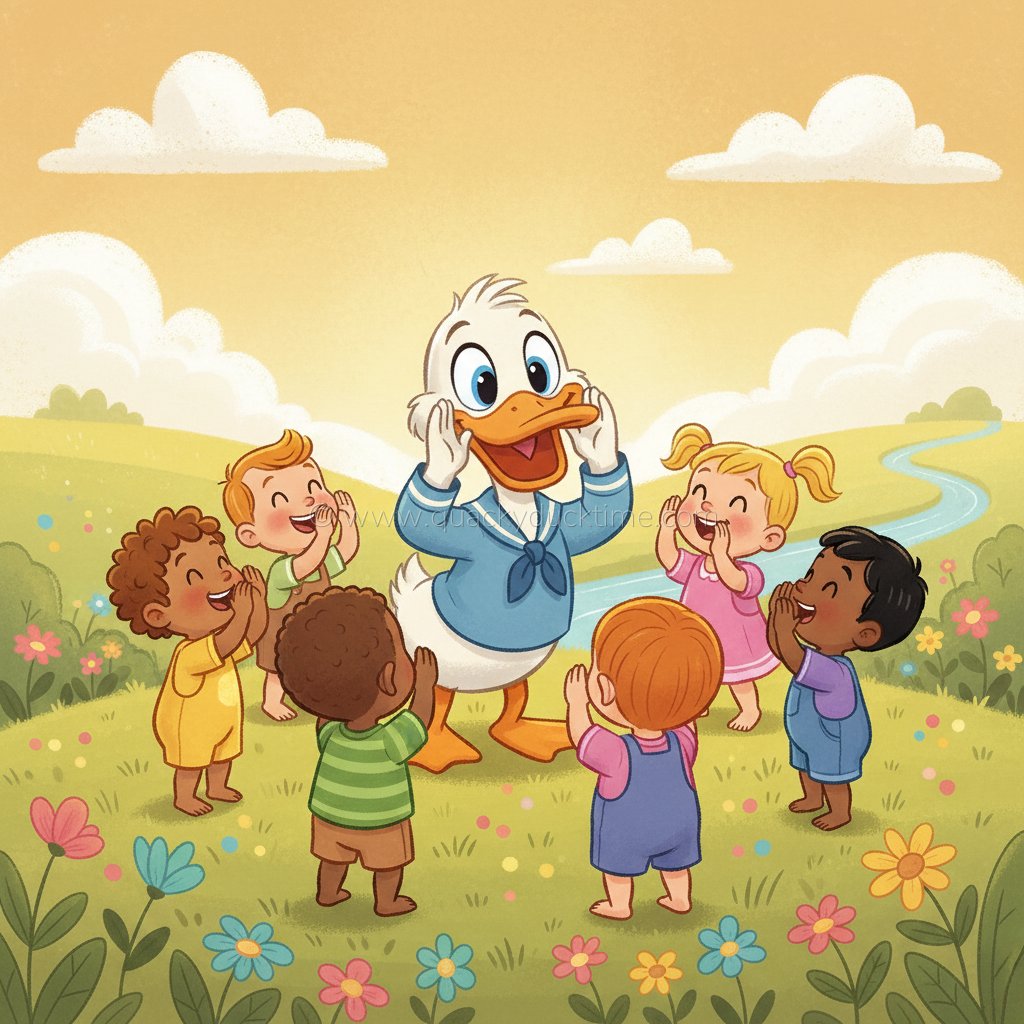
Syllable clapping is the classic starting point, and you've probably done a version of it without even realizing it counted as "literacy work." Say a word slowly, clap once for each syllable chunk, and let your child echo it back.
- Names are gold: "E-mma" (two claps), "Al-ex-an-der" (four claps). Kids love clapping their own name.
- Snack time syllables: "ba-na-na" (three claps), "toast" (one clap). Turning snack prep into a game buys you five extra minutes of peaceful chopping.
- Animal clap-off: "el-e-phant" versus "dog" — great for talking about long words versus short words.
Once your child can clap syllables confidently, try the reverse: clap a rhythm and ask them to guess a word that fits. It flips the game into a listening challenge and keeps things fresh.
Turning Everyday Moments into Pre-Reading Activities
You don't need a curriculum binder to squeeze in pre-reading activities — you need a few go-to games that live in your back pocket for waiting rooms, car rides, and that stretch before dinner when everyone's a little too loud anyway.
Clap-and-Freeze Rhyming
Say two words. If they rhyme, clap; if they don't, freeze like a statue. "Bear, chair" — clap! "Bear, spoon" — freeze! This sneakily trains rhyme detection, a key early reading skill, while burning off wiggles.
Pass-the-Clap Storytime
Read a favorite picture book and pause on a word each page. Clap it out together before turning the page. It slows down reading just enough for little ears to notice sound patterns they'd otherwise rush past.
Beat-the-Drum Blending
Tap out individual sounds — /c/ /a/ /t/ — with a slow drumbeat, then speed up the claps until the sounds blend into "cat." This mirrors exactly what happens later when they sound out words on a page.
Why Music Makes These Skills Stick
Here's the secret parents don't always realize: music isn't just a fun wrapper around learning, it's a memory tool. Melodies and beats help the brain encode and retrieve information more easily than plain speech does — which is why your child can belt out an entire theme song but forgets where they left their shoes thirty seconds ago. Pairing clapping games with actual songs multiplies the phonological awareness music benefit, because kids get rhythm, rhyme, repetition, and joy all in one three-minute burst.
That's really the whole point of rhythm and reading skills work at this age — it should never feel like practice. It should feel like play, because for a four-year-old, play is exactly how serious learning happens.
Keep the Beat Going
Clapping games are proof that some of the best pre-reading activities cost nothing and take thirty seconds. String a few of these into your week, and you're quietly building the sound-awareness skills that make phonics click later on. If you'd like a soundtrack for all that clapping, come sing and stomp along with the playful, sound-rich songs over at Quacky Duck Time — little ears (and big giggles) welcome.