Why Singing with Your Kids Boosts Emotional Connection
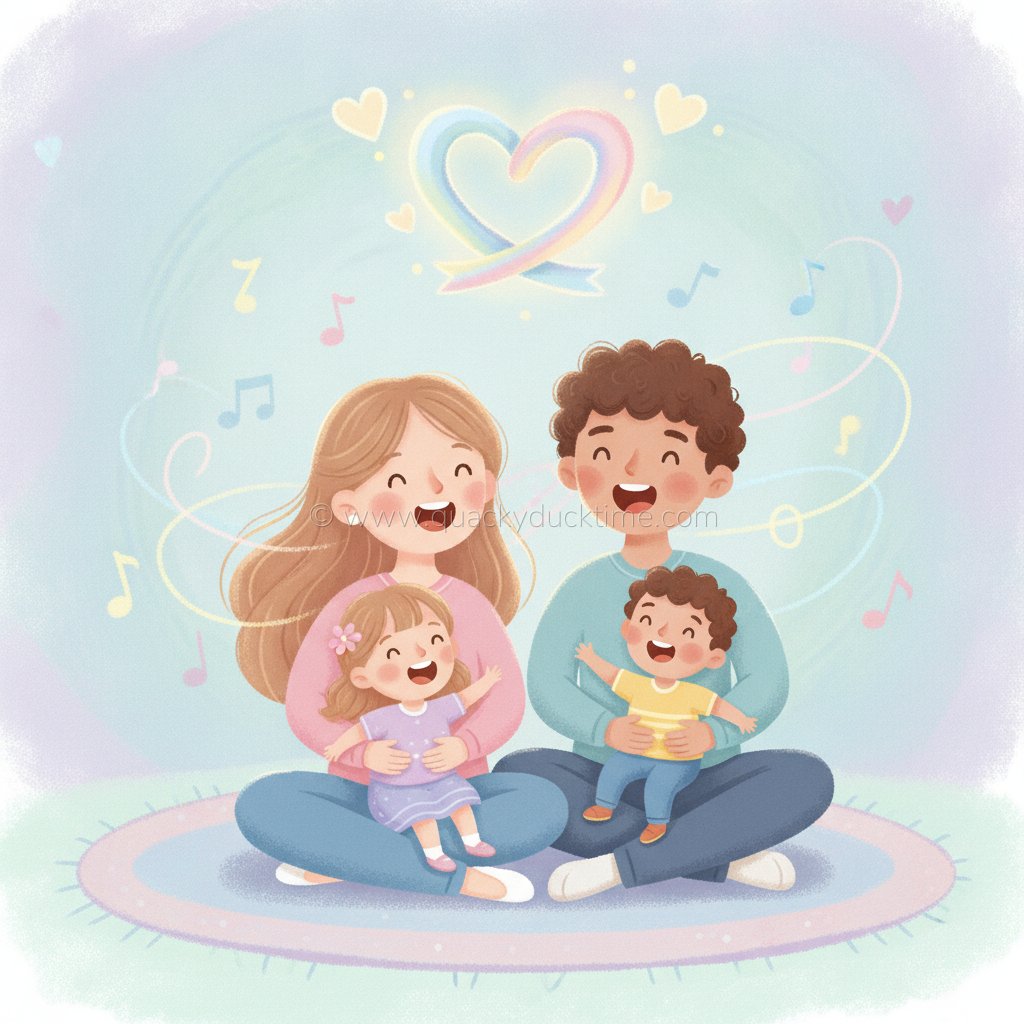
Somewhere between the diaper changes and the third request for goldfish crackers, you probably belt out a tune without even thinking about it. Good news: that off-key rendition of "Wheels on the Bus" is doing more than filling silence in the minivan. Singing with children is one of the simplest, cheapest, and most joyful ways to deepen your bond with them — and the science backs it up.
Let's talk about why those few minutes of daily song matter so much, and how to make them a happy habit in your house.
Singing Speaks a Language Babies and Toddlers Understand
Long before kids master words, they're wired to respond to melody, rhythm, and the sound of your voice. Singing slows speech down, exaggerates emotion, and repeats patterns — all things little brains crave. When you sing to your child, you're not just entertaining them; you're communicating safety, warmth, and attention in a way that plain talking often can't match.
This is part of why lullabies exist in every culture on earth. Parent-child bonding through song isn't a modern parenting trend — it's ancient, universal, and built into how humans connect.
The Emotional Development Boost Hiding in Every Chorus
When you sing together, you're doing quiet emotional work without either of you realizing it. Here's what's actually happening:
Eye Contact and Attunement
Singing naturally invites face-to-face connection. You watch your child's expressions, they watch yours, and you both sync up to the same rhythm. This kind of attunement is a cornerstone of healthy emotional development — it teaches kids that their feelings are seen and mirrored.
Naming Feelings Through Melody
Songs about being silly, sleepy, brave, or sad give children an easy, low-pressure way to talk about emotions. A song about a scared little duck can open the door to a real conversation about your child's own worries — no lecture required.
A Reliable Dose of Oxytocin
Singing together triggers the release of oxytocin, the same "bonding hormone" involved in hugging and cuddling. That's part of the magic behind music therapy for families: shared music-making can genuinely lower stress and increase feelings of closeness for both kids and parents.
Family Singing Time as a Daily Ritual (Not a Performance)
You don't need perfect pitch, a guitar, or a music degree. You just need consistency. Rituals give children a comforting sense of "this is what we always do," and singing fits perfectly into moments you're already living through:
- Morning wake-ups: A silly good-morning song can replace grumpy alarm-clock energy with giggles.
- Car rides: Turn traffic jams into concert time — captive audience guaranteed.
- Bath time: Splashy, playful songs make bath transitions smoother and way more fun.
- Bedtime wind-down: A gentle, repeated lullaby signals the brain that it's time to slow down.
- Clean-up time: A "let's tidy up" song turns a chore into a game.
The specific song matters far less than the shared moment. Family singing time works because it's predictable, physical, and emotionally warm — three things kids' nervous systems absolutely love.
You Don't Have to Be a "Singer" to Sing With Your Kids
One of the biggest myths keeping parents quiet is the idea that you need a good voice to make singing meaningful. Kids don't care if you hit the right note. They care that you're present, engaged, and having fun with them. In fact, your imperfect, familiar voice is more comforting to your child than any professional recording could ever be.
If you're not sure where to start, borrow the structure: simple, repetitive, upbeat songs with room for actions, silly voices, or clapping. These give both of you an easy entry point, especially on tired days when creativity feels hard to muster.
Small Habit, Big Payoff
Daily singing won't fix every hard parenting moment, but it quietly builds something valuable over time: a shared language of comfort, joy, and connection between you and your child. It's five minutes that says, "I'm here, I see you, and we're having this moment together" — no screens, no distractions, just voices and rhythm.
If you're looking for cheerful, easy-to-sing songs to weave into your family's day, explore the growing collection of tunes from Quacky Duck Time. They're made to be sung loudly, danced to badly, and repeated at least four hundred times — exactly the way great family songs should be.