Start Learning Music Instruments: A Parent's Fun Guide
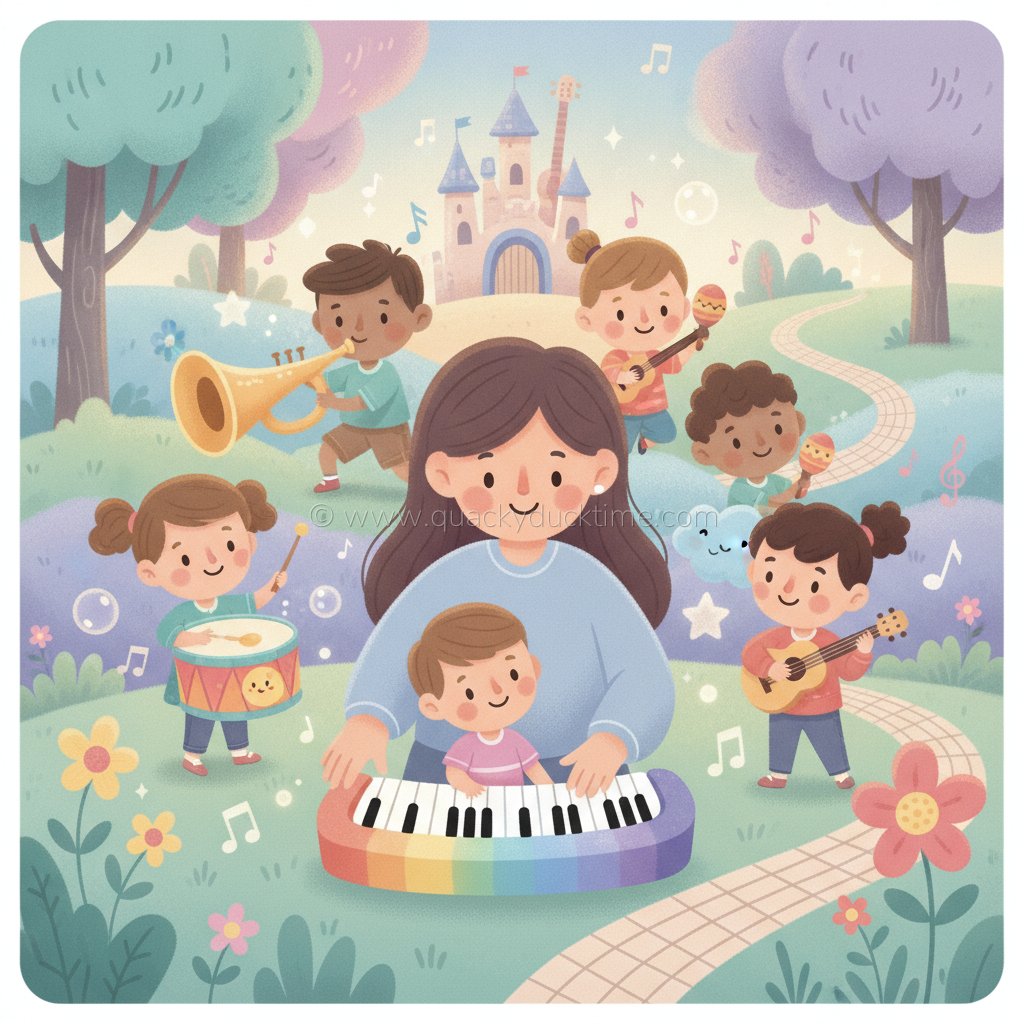
Somewhere between the pot-lid drum solos in your kitchen and the endless hums of nursery rhymes, you've probably wondered: is it time for my kid to start learning music instruments? Good news — you don't need a grand piano or a waiting list for the world's best violin teacher. You just need a little know-how, a lot of patience, and maybe a kazoo. Let's dig in.
Why 'When' Matters Less Than You Think
Parents often stall out on the question of timing, worried they'll start too early (bored toddler) or too late (missed window). Here's the truth: musical readiness isn't a single birthday — it's a spectrum. Most kids can start exploring rhythm and sound as early as age 2, but formal instrument lessons usually click best between ages 5 and 7, when fine motor skills and attention spans catch up to little hands' big ambitions.
The real marker isn't age at all. It's curiosity. If your child bangs on pots, hums made-up songs, or begs to press piano keys at the store, that's your green light. Follow the spark, not the calendar.
Choosing the Right First Instrument
Not every instrument is toddler-friendly, and that's okay. The goal of a first instrument is to build joy and confidence, not concert-hall perfection.
Percussion and Rhythm Instruments
Drums, shakers, and xylophones are brilliant starter instruments because they're forgiving — there's no 'wrong note' to stress over. Kids get instant feedback (a satisfying bang!) and start internalizing rhythm, which is the backbone of all music.
Keyboard and Piano
A small keyboard is a fantastic low-pressure entry point. It's visual, logical (notes go up and down in a straight line), and doesn't require the physical strength that strings or wind instruments demand. Plus, keyboards let kids experiment with silly sound effects, which keeps things playful.
Strings for Little Hands
Ukuleles are the unsung heroes of early music education. They're lightweight, have soft nylon strings that won't hurt tiny fingers, and only four strings to master instead of six. A ukulele in a bright color can turn 'practice time' into 'ukulele o'clock,' which is a much easier sell.
Making Practice Feel Like Play
Here's the secret nobody tells new music parents: practice doesn't have to look like practice. If you're picturing a stern metronome and gritted teeth, toss that image out the window.
- Turn songs into games. Freeze dance when the beat drops, or invent a 'mystery note' guessing game on the keyboard.
- Keep sessions short. Five focused minutes beats thirty distracted ones. Little musicians have little attention spans — that's biology, not laziness.
- Celebrate weird sounds. Some of the best musical discoveries come from 'wrong' notes. Let your child get curious about squeaks and thumps instead of correcting every wobble.
- Play alongside them. Even if you can't read a single note, clapping a beat or humming a tune with your child shows that music is a shared, joyful activity — not homework.
Signs Your Child Is Ready for the Next Step
So how do you know when it's time to move from kitchen-table jam sessions to something more structured, like a class or a teacher? Watch for these cues:
- They ask to play the same song or instrument repeatedly without being prompted.
- They can keep a steady beat with a drum, clap, or shaker for more than a few seconds.
- They start naming notes, colors on a keyboard, or string sounds unprompted — a sign their ear is developing.
- They show frustration when they can't make the sound they want, which usually means they're ready for a bit more guidance (not less music).
Remember, structured lessons are a bonus, not a requirement. Plenty of kids fall in love with music through nothing more than family sing-alongs and a $15 shaker egg.
A Gentle Nudge to Get Started
Starting your child's musical journey doesn't require perfect timing, expensive gear, or professional training — just curiosity, consistency, and a whole lot of fun. Whether it's tapping a drum, plunking a keyboard, or strumming a tiny ukulele, every giggle-filled session is building real skills: rhythm, focus, and confidence.
Need a soundtrack for all that early exploration? Quacky Duck Time has a whole library of joyful, sing-along songs designed to get little hands clapping, tapping, and dancing along. Pop one on during playtime and watch the music-making begin — no instrument required to start the fun.